Highlights
- Smaller class sizes at private schools often mean more individualized attention for each student.
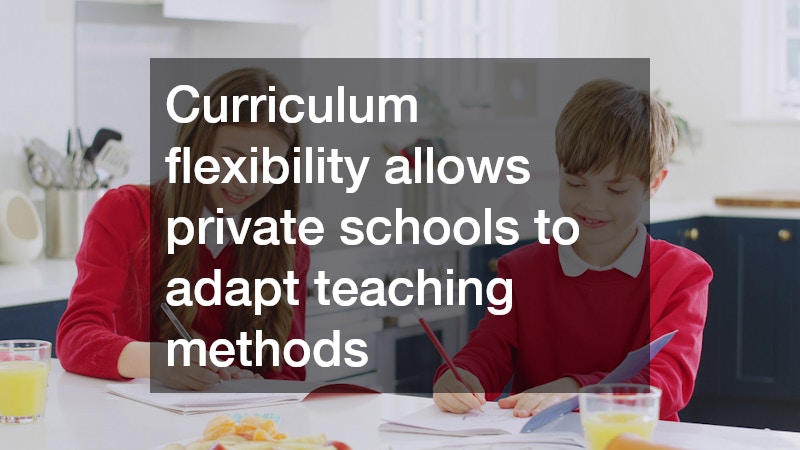
- Curriculum flexibility allows private schools to adapt teaching methods and subject focus more freely than public schools.
- Financial aid and scholarships make private education more accessible than many families assume.
- Private school students report strong college enrollment rates compared to national averages.
- A close-knit school community often extends benefits to the whole family, not just the student.
- Choosing the right private school depends on matching a school’s mission to a family’s specific priorities.
Why Do Smaller Class Sizes Matter So Much?
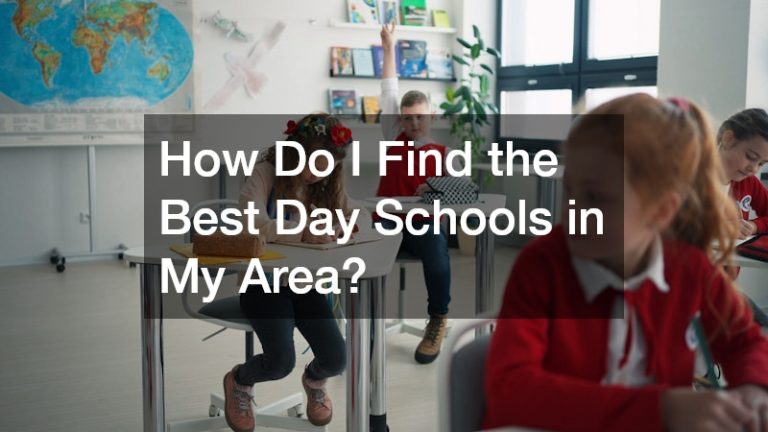
One of the most consistently cited advantages of private education is class size, and the difference is often larger than parents expect. Smaller classes allow teachers to identify each student’s strengths and challenges early, adjust their teaching pace, and give more one-on-one support throughout the day.
According to research compiled by the National Association of Independent Schools, independent schools had a median student-to-teacher ratio of roughly 8 to 1 in the 2022–23 school year, a stark contrast to public school averages that often run closer to 15 to 1 or higher. For families researching a local private school, this ratio is one of the first numbers worth asking about, since it directly shapes how much individual attention a child receives every single day.
What Curriculum and Academic Advantages Come With Private Education?
Because private schools aren’t bound by state curriculum mandates, they generally have more freedom to design programs suited to their mission and student population. That flexibility shows up in several concrete ways:
- Specialized academic tracks — many private schools emphasize STEM, arts, languages, or college-prep coursework more deeply than a standard public curriculum.
- Faster curriculum adaptation — schools can adjust teaching methods or materials quickly in response to student needs.
- Access to advanced coursework — AP, IB, and dual-enrollment options are common, letting students earn college credit early.
- Smaller administrative overhead — decisions about programming can move faster without navigating a large district bureaucracy.
- Mission-aligned instruction — some schools build their entire academic approach around a specific educational philosophy or values system.
This flexibility is part of why curriculum and teaching style can vary so widely from one private school to another, even within the same city.
How Does Private School Affordability Actually Work?
Cost is often the first concern parents raise, but the sticker price rarely tells the whole story. Financial aid, need-based scholarships, and merit awards are common at private institutions, and many schools calculate aid independently of the admissions decision itself. Families often assume a local private school is out of reach before ever asking about available assistance, which can rule out a genuinely affordable option prematurely. Tuition varies significantly based on school type, size, and location, and multi-child discounts or flexible payment plans are increasingly common as schools compete for enrollment. Anyone seriously considering private education should request a full breakdown of aid options directly from admissions rather than assuming affordability based on published tuition alone.
What Should Parents Know About College Outcomes?
College readiness is one of the most frequently cited reasons families choose private education, and the data offers some useful context. Reporting from U.S. News & World Report notes that a large share of private school graduates enroll in college immediately after high school, a rate that consistently outpaces national public school averages. Several factors contribute to this, including smaller class sizes, more individualized college counseling, and broader access to advanced coursework that strengthens college applications. That said, outcomes vary meaningfully between schools, so parents should ask specifically about a school’s college counseling resources, average class rank data, and where recent graduating classes have enrolled rather than relying on private school reputation alone.
What Community and Culture Benefits Should Families Consider?
Beyond academics, many families choose private school specifically for the sense of community it builds. Because private schools set their own mission and values, families often find a stronger alignment between the school’s culture and their own priorities than they might in a larger, more general public school setting:
- Smaller student bodies often mean teachers and administrators know every family personally.
- Shared values or educational philosophy can create a more cohesive school culture.
- Parent involvement opportunities tend to be more accessible in smaller communities.
- Extracurricular programs are often more inclusive, with lower barriers to participation.
- Long-term relationships with teachers and staff can span a child’s entire enrollment.
This kind of community connection often extends benefits to parents as well, not just students, through closer relationships with staff and other families.
How Does Enrollment Data Reflect These Benefits?
National enrollment trends offer a useful backdrop for understanding how many families ultimately choose this path. According to Pew Research Center, private school enrollment has remained relatively steady over the past decade, consistently making up around one in ten K-12 students nationwide, even as public school enrollment has gradually declined. Private schools also tend to be concentrated in urban and suburban areas, which explains why the availability of a local private school can vary significantly depending on where a family lives. That steady demand, even amid rising tuition costs in many regions, suggests the benefits families associate with private education continue to hold real weight in their decision-making.
Is a Private School the Right Choice for Your Family?
Choosing private school ultimately comes down to weighing these benefits against a family’s specific priorities, budget, and what environment helps a particular child thrive. Smaller classes, curriculum flexibility, strong college outcomes, and a tight-knit community are all significant advantages, but they matter most when they align with what a family actually values in a child’s education. Visiting campuses, talking with current families, and asking direct questions about financial aid, class sizes, and academic outcomes will reveal far more than a school’s marketing materials. For many families, the investment pays off not just academically but in the relationships and sense of belonging a smaller school community can provide. The right decision is the one that fits a child’s needs and a family’s circumstances, not simply the option with the strongest reputation.